PPE Waste Disposal Methods That Keep the Planet in Mind
The global pandemic brought the term Personal Protective Equipment (PPE) into everyday conversation. Face masks, gloves, face shields, and gowns became a part of daily life for individuals and essential for healthcare workers. While PPE has played a crucial role in protecting public health, it has also led to a new environmental challenge: mountains of disposable PPE waste.
If you're wondering how to dispose of PPE waste without harming our environment, you're not alone. This comprehensive guide explores sustainable PPE waste disposal methods that prioritize the planet while keeping people safe.

The Environmental Impact of PPE Waste
Globally, the increase in PPE use has generated billions of single-use items. Traditional disposal often means these items end up in:
- Landfills -- where they can take hundreds of years to break down
- Incinerators -- which can produce harmful emissions
- Oceans and waterways -- contributing to plastic pollution and endangering wildlife
What Is PPE Waste?
PPE waste includes single-use items designed to protect individuals against illnesses or hazardous substances. Key examples are:
- Masks (surgical and cloth masks)
- Respirators (such as N95 masks)
- Gloves (vinyl, latex, nitrile)
- Gowns and aprons
- Face shields and goggles
- Shoe and head covers
Eco-Friendly PPE Waste Disposal Methods
Let's explore PPE waste management solutions that keep both people and the planet in mind:
1. Segregate PPE at the Source
Proper segregation is the first step in responsible disposal. Ensuring PPE waste is kept separate from recyclable or compostable waste prevents cross-contamination and aids downstream processing.
- Use clearly labeled bins for PPE collection in workplaces, schools, and public spaces.
- Educate users about the importance of correct segregation.
2. Embrace Recyclable PPE Options
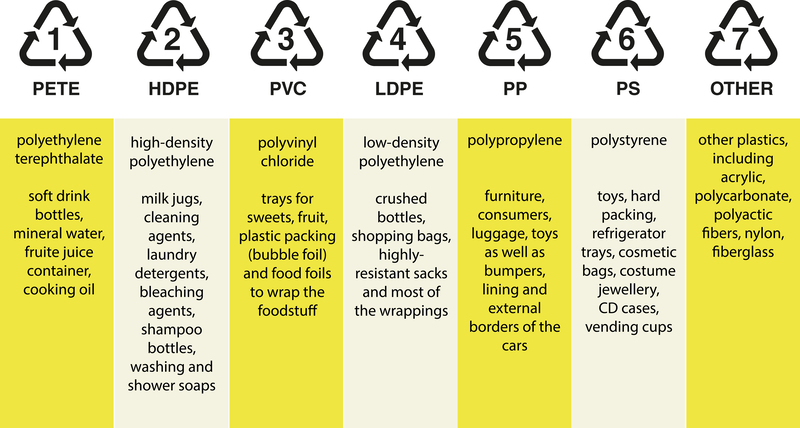
A growing number of manufacturers now offer recyclable PPE. For example, some masks and face shields are made from single-polymer plastics, making them easier to recycle.
- Look for recyclable PPE certifications when procuring supplies.
- Coordinate with local recycling firms to establish take-back programs.
3. Develop Take-Back and Collection Programs
Several organizations and companies have launched PPE take-back schemes to streamline the process of PPE waste management.
- Install PPE drop-off stations in hospitals, offices, and communal areas.
- Partner with certified disposal contractors specializing in PPE recycling or safe disposal.
- Encourage participation by offering incentives for proper disposal.
4. Explore Energy Recovery Through Controlled Incineration
Although incineration is sometimes criticized for its emissions, when done in modern, well-regulated facilities, it can harness energy from PPE waste while minimizing environmental harm.
- Use only energy-recovery incinerators that meet strict environmental standards.
- Capture and utilize heat from combustion for district heating or electricity.
5. Innovate With PPE Upcycling and Reuse
Creative minds worldwide are turning PPE waste into something new. Examples include:
- Transforming used face masks into construction materials, such as bricks and roads
- Incorporating shredded PPE into asphalt blends for roads
- Producing art and craft materials from sanitized PPE
6. Composting Biodegradable PPE
With technological advancements, we now have access to biodegradable PPE--masks, gloves, and gowns made from plant-based or compostable materials.
- Check labels to confirm compostability.
- Compost only non-infectious PPE in industrial composting facilities; home composting is generally not recommended for contaminated materials.
7. Decontamination and Reuse Initiatives
Where safe and appropriate, reusing PPE by means of advanced decontamination supports both safety and environmental goals.
- Utilize methods like autoclaving, ultraviolet (UV) irradiation, and vaporized hydrogen peroxide to sterilize PPE.
- Follow strict protocols to ensure user safety and PPE effectiveness remain uncompromised.
Best Practices for PPE Waste Disposal at Home and in the Workplace
Whether you're an individual, business owner, or healthcare provider, the following PPE waste disposal best practices should be a part of your environmental responsibility:
- Avoid littering: Always dispose of PPE in marked containers.
- Seal the waste: Place used PPE in securely closed bags before discarding, especially if it may contain infectious material.
- Do not flush: Never dispose of PPE, especially masks or gloves, down toilets or drains.
- Inform and train: Ensure everyone in your household or workplace knows the proper procedures for PPE waste handling.
- Support innovation: Choose biodegradable or recyclable PPE options when possible.
Government Regulations and Industry Solutions
Environmental agencies and health authorities around the world have released PPE waste disposal guidelines to address these growing concerns. Some countries have:
- Introduced regulations mandating the segregation and safe handling of PPE waste.
- Encouraged investment in advanced PPE recycling facilities.
- Developed public awareness campaigns focused on PPE pollution prevention.
The Future of Sustainable PPE Waste Disposal
The future of PPE waste disposal is promising, thanks to a global focus on:
- Material innovation -- Development of compostable, fully recyclable, or reusable PPE made from plant-based and synthetic alternatives.
- Advanced recycling technologies -- Breakthroughs such as chemical recycling, which converts used plastics into raw materials for new products.
- Circular economy models -- Systems where PPE is designed, used, collected, and remanufactured, keeping materials in use for as long as possible.
- Extended producer responsibility -- Policies that hold manufacturers accountable for managing PPE waste throughout its lifecycle.
What Can You Do to Help?
As individuals and organizations, each of us can play a role in supporting planet-friendly PPE disposal methods:
- Choose eco-conscious PPE brands: Opt for reusable or compostable options whenever possible.
- Participate in PPE recycling schemes: Use authorized collection bins and take-back programs in your area.
- Don't litter: Always dispose of used PPE responsibly to prevent environmental contamination.
- Spread the word: Share information and encourage others to adopt sustainable waste disposal habits.
Conclusion: Moving Towards Greener PPE Waste Solutions
The increased reliance on Personal Protective Equipment has undoubtedly saved lives. However, our collective health should not come at the expense of our planet's well-being. By understanding the impact of PPE waste and adopting sustainable, planet-friendly disposal methods, we can break the link between safety and pollution.
Adapting to the new normal means making smart, informed choices about the PPE we use and how we dispose of it. As technology, policy, and awareness advance, the dream of a world protected from viruses and protected from pollution can become a reality.
Let's keep both people and the planet in mind by practicing sustainable PPE waste management--today, tomorrow, and for future generations.
