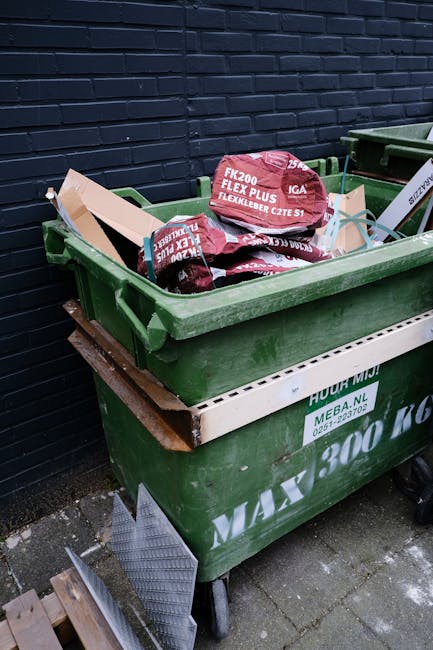
Belmont High Street guide to rubbish removal services

If you live, work, or manage a property around Belmont High Street, rubbish has a habit of building up at the worst possible time. One day it is a couple of broken chairs and a bag of renovation offcuts, and the next you are staring at a hallway full of clutter, wondering where on earth it all goes. This Belmont High Street guide to rubbish removal services is here to make that decision easier. You will learn how local rubbish removal works, what to expect, which jobs it suits best, and how to avoid the usual headaches. Simple, practical, no fluff.
Whether you are clearing a flat, tidying a shop store room, or dealing with a post-build mess, the right removal service can save time, effort, and a fair bit of stress. And truth be told, most people only want two things: a fast job and a fair price.
Why Belmont High Street guide to rubbish removal services Matters
High street locations are busy, compact, and often awkward for storage, loading, and parking. That alone changes the way rubbish removal needs to be planned. A pile of waste outside a suburban driveway is one thing; a pile of waste near a frontage with passing pedestrians, deliveries, and parked cars is quite another.
That is why a good rubbish removal plan matters. It is not just about getting rid of stuff. It is about doing it safely, keeping access clear, and avoiding unnecessary disruption. On a stretch like Belmont High Street, where people may be moving in and out of homes, shops, offices, or flats, a poor clearance can quickly become a nuisance. Nobody wants black bags stacked in the wrong place before lunch.
There is also the reputational side. For businesses, messy waste sends the wrong signal. For landlords or managing agents, it can become a complaint magnet. For homeowners, it can drag out a project that should have been finished days ago. A reliable removal service helps restore order quickly, which sounds simple, but in real life that is often the hardest part.
If you are dealing with larger mixed waste, household items, or a property clear-out, it is worth understanding how waste removal differs from a simple DIY tip run. In many cases, the convenience is the real value.
Expert summary: The best rubbish removal service for Belmont High Street is usually the one that balances speed, access, sorting, and disposal method cleanly, without making you do the heavy lifting or guess what can be taken.
How Belmont High Street guide to rubbish removal services Works
Most professional rubbish removal jobs follow a fairly straightforward pattern. You contact the provider, explain what needs clearing, and arrange a visit or booking. Then the team assesses the load, confirms the price, and collects the waste. Depending on the job, this may happen the same day, the next day, or at a scheduled time that works around your access needs.
What makes the service useful is the loading and transport side. Instead of hiring a vehicle, lifting awkward items yourself, or making multiple trips, a trained team handles the messy part. That is especially helpful for bulky waste such as sofas, broken appliances, old furniture, or builder's debris.
There is usually a difference between light domestic rubbish and more specialist material. For example, a couple of bags of decluttered items may be quick work, while a clearance involving paint, plaster, or contaminated waste needs more careful handling. If you are unsure what you have, it helps to ask before the job day rather than after the van is already at the kerb. That saves everyone a bit of faff.
For business premises, the process can be even more structured. Offices often need secure handling for files and data-bearing items, while retail spaces may need staged collection so trading is not interrupted. In those cases, pages like office clearance and confidential shredding are especially relevant.
Typical service flow
- Describe the waste and share rough volume.
- Get a quote or estimated price.
- Confirm access, parking, and timing.
- Set out or point out the items to be removed.
- Collection, loading, and transport take place.
- Items are sorted for reuse, recycling, or disposal where suitable.
It sounds almost too simple, but the smooth jobs usually come from clear communication. A little detail upfront goes a long way.
Key Benefits and Practical Advantages
The obvious benefit is convenience, but there is more to it than that. Good rubbish removal reduces downtime, clears space quickly, and helps you move on with the next task without living around the mess. That matters whether you are renovating a kitchen or trying to reopen a shop after a refit.
- Speed: Many collections can be arranged quickly, which is useful when waste is blocking access.
- Manual handling support: Heavy or awkward items are lifted for you, reducing strain and risk.
- Better sorting: Professional teams can separate reusable or recyclable materials more effectively than a rushed DIY tip run.
- Less vehicle hassle: No need to hire a van, drive waste yourself, or queue at a disposal site.
- Cleaner finish: A proper clearance often leaves the space ready for decorating, letting, handover, or everyday use.
There is also a mental benefit people underestimate. A cluttered room has a way of sitting in the back of your mind. Once the waste is gone, the space feels different. Quieter, somehow. It is surprisingly satisfying.
If your clearance involves old furniture, you may want to look at furniture clearance or furniture disposal, especially if the items are bulky but not reusable. For a bigger household clear-out, house clearance or home clearance may be the better fit.
Who This Is For and When It Makes Sense
Rubbish removal is not only for major building projects. A lot of everyday situations on Belmont High Street create the same need, just on a smaller scale. It makes sense whenever the waste is too bulky, too much, or too awkward to handle comfortably yourself.
Here are the most common situations:
- Homeowners decluttering: loft contents, old beds, broken chairs, general junk, and mixed household items.
- Landlords and letting agents: end-of-tenancy leftovers, white goods, forgotten furniture, and quick turnaround clearances.
- Business owners: packaging, fixtures, old stock, office furniture, and maintenance waste.
- Builders and tradespeople: rubble, timber, plasterboard, and renovation debris.
- Flat residents: items that are too large for standard bins and awkward to carry through shared access areas.
If you are in a smaller property, a flat clearance can be especially helpful because stairwells and narrow halls make self-clearance annoying at best. If you are sorting out an attic or roof space, loft clearance is often the right service. And if the mess has spread into a shed or storage area, a garage clearance may be the cleanest way to start over.
To be fair, many people put off booking because they think the job will be bigger or more complicated than it is. Often it is not. A few well-chosen photographs and a quick description are enough to get things moving.
Step-by-Step Guidance
If this is your first time arranging rubbish removal, keep the process simple. Good preparation makes the visit smoother, and on a street with limited space that matters even more.
1. Separate what is going
Walk through the area and decide what should be removed. If you can, group items by type: furniture, bags, construction waste, appliances, or garden debris. You do not need to over-sort unless the provider asks you to, but a bit of order helps.
2. Identify anything special
Hazardous materials, fridges, freezers, TVs, chemicals, and certain electrical items may need specific handling. Mention these early. If the collection involves dangerous or regulated waste, take a look at hazardous waste disposal and fridge and appliance removal so you know what to flag.
3. Check access
Ask yourself: can a van stop nearby? Is there parking space? Are there stairs, tight corners, or time restrictions? These details can affect timing and cost. A collection from a ground-floor shopfront is different from a third-floor flat with one narrow stairwell and no lift. You can probably guess which one tends to take longer.
4. Ask for pricing clarity
A good quote should explain what is included. Is labour included? Is the price based on load size? Are there extras for special items or difficult access? Pages such as pricing and quotes are useful because they help you understand what to expect before you commit.
5. Prepare the space
If possible, keep the waste together in one area. Move fragile items out of the way. Make sure the team can reach the load without navigating unnecessary clutter. Even a small bit of prep can shave time off the job.
6. Keep paperwork or confirmation handy
For business jobs, you may need internal approval or records. For residential bookings, keep the confirmation message and any agreed notes accessible. Nothing dramatic. Just enough to avoid confusion when the van arrives and everyone is pretending they remembered the plan.
Expert Tips for Better Results
After plenty of clearances, a few patterns become obvious. The jobs that go well are rarely the ones with the most advanced planning. They are the ones where the customer gives enough practical detail early.
- Measure large items loosely: You do not need engineering precision, but rough dimensions help if the waste includes sofas, wardrobes, or appliances.
- Photograph awkward loads: A few clear pictures often tell the story faster than a long message.
- Be honest about hidden waste: If there is more behind the first pile, say so. Nobody likes surprise extras halfway through loading.
- Think about timing: Early bookings can be easier on busy streets, especially where access or parking is tight.
- Ask about recycling intent: If sustainability matters to you, ask how the provider sorts reusable and recyclable material. A responsible operator should be able to explain that simply.
One practical tip that saves headaches: if the waste includes mixed items, pull out anything clearly reusable first. You may want to keep it, donate it, or store it separately. Once it is in the pile, it is much harder to make that call calmly.
For bigger household or property jobs, consider whether a broader service might suit you better. For example, garage clearance or home clearance can be more efficient than booking multiple small removals.
Common Mistakes to Avoid
Most problems with rubbish removal are preventable. They usually come from rushing the quote, underestimating volume, or forgetting one annoying item that turns out to be awkward. Happens all the time.
- Not describing the waste properly: A "small amount of rubbish" can mean very different things to different people.
- Forgetting access issues: Narrow stairs, basement rooms, and no-parking zones can affect the job.
- Mixing prohibited items with normal waste: This can delay the collection or require a separate arrangement.
- Choosing only on price: The cheapest option is not always the best value if it causes delays or disputes.
- Leaving everything until the last minute: Sudden booking pressure usually creates avoidable stress.
Another mistake is assuming all waste is the same. Builders' debris, household rubbish, office waste, and appliance disposal each have different practical considerations. A service that is ideal for one type may be a poor fit for another.
If your project includes renovation waste, builders waste clearance is usually more appropriate than a general tidy-up service. For heavier renovation loads, that distinction matters more than people expect.
Tools, Resources and Recommendations
You do not need specialist equipment for most jobs, but a few simple tools help you prepare. Think of this as the practical kit list for a smoother collection.
- Strong bin bags for loose domestic waste
- Moving straps or gloves for safe handling of bulky items
- Basic tape or labels if you are separating what stays and what goes
- A phone camera for quick item photos
- Notes on access, parking, and timing
For some situations, the best resource is simply the right service page. If you are clearing outdoor waste, garden clearance may fit better than general waste removal. If you need help with business premises, business waste removal is designed for more regular or commercial needs. And if recycling matters to your decision, read about recycling and sustainability to understand the approach behind responsible disposal.
A quick note on security and payment: if you are booking online, it helps to understand the provider's payment process first. The page on payment and security exists for a reason. A moment of checking now is better than a headache later.
Law, Compliance, Standards, or Best Practice
For rubbish removal in the UK, the safest mindset is to work with a provider that follows accepted waste-handling best practice. You do not need to become a compliance expert yourself, but you should expect proper loading, sensible segregation, safe transport, and lawful disposal routes.
That matters because waste is not just clutter; it can become a responsibility once it leaves your property. For businesses, there are also added expectations around duty of care, record-keeping, and avoiding poor disposal practices. The exact requirements vary by waste type and setting, so it is wise to ask questions rather than assume.
As a rule of thumb, a trustworthy service should be able to explain:
- how different materials are handled
- whether anything needs special treatment
- how recyclable items are separated
- what happens to bulky or mixed waste
- how safety is managed on site
That is where pages like health and safety policy and insurance and safety become reassuring. They are not just formalities. They show that the operator has thought through real-world risk, which is exactly what you want when heavy items are being moved through tight spaces.
One more thing: if the waste includes confidential material or sensitive paperwork, use a service that is explicitly set up for secure destruction. That is where confidential shredding becomes relevant. Better safe than sorry, honestly.
Options, Methods, or Comparison Table
Choosing the right clearance method depends on waste type, volume, access, and how quickly you need the space back. Here is a practical comparison.
| Option | Best for | Strengths | Limitations |
|---|---|---|---|
| General rubbish removal | Mixed household or light commercial waste | Fast, convenient, little effort from you | May not suit specialist waste streams |
| Skip hire | Longer DIY projects with space for a container | Useful for staged filling over time | Needs space, loading access, and sorting discipline |
| Flat or house clearance | Whole-property or room-by-room clear-outs | Good for larger volumes and furniture | May need more preparation if the property is busy |
| Builders waste clearance | Renovation debris and trade waste | Handles heavier, messier material | Not ideal for general household clutter alone |
| Specialist disposal | Appliances, mattresses, sofas, or hazardous items | Better handling of awkward or regulated waste | Usually needs item-specific planning |
If you are trying to decide between a skip and a collection service, the page on what can go in a skip can help you understand what is typically allowed and what may need an alternative. That comparison matters more than people think. A wrong choice can mean delays, extra handling, or wasted money.
Case Study or Real-World Example
Picture a small property near Belmont High Street after a kitchen refresh. There are boxes, a battered table, old shelves, a broken appliance, and a pile of rubble from a bit of wall work. The owner has a deadline because the decorator is due the next morning, and the hallway is starting to look like a storage depot.
Instead of trying to sort it all over several trips, the owner books a rubbish removal service. They send a couple of photos, mention the appliance, and note that parking is tight outside. The team arrives with the right expectations, loads the mixed waste, separates what can be recycled, and clears the access route in one visit. The decorator gets in on time. The owner gets their evening back. Simple, but that is exactly the point.
What made it work? Clear information, realistic timing, and a service that understood the constraints of a busy street. No drama, no guesswork, no "we'll see on the day" nonsense.
That same approach works for offices too. A business relocating from a compact space might need help with desks, chairs, and old filing cabinets, plus secure shredding for documents. In that situation, a single coordinated collection is usually much easier than trying to manage everything separately.
Practical Checklist
Use this checklist before booking your collection. It keeps things tidy and stops small issues turning into bigger ones.
- List everything that needs removing.
- Separate special items like appliances or hazardous material.
- Take photos of the waste if the pile is large or mixed.
- Check access, parking, and any timing restrictions.
- Ask whether labour and disposal are included in the price.
- Confirm if the job is domestic, commercial, or builders waste.
- Put aside any items you might want to keep.
- Make sure fragile items nearby are protected.
- Have booking details ready for the collection day.
- Ask about recycling or reuse where relevant.
If you are planning a larger job, it can also help to review the relevant service page before you book. For example, loft clearance, office clearance, or mattress and sofa disposal may match your needs more closely than a general collection. Small detail, big difference.
Conclusion
A Belmont High Street rubbish removal service is really about making life easier in a space where access, timing, and tidiness all matter. The right service clears the mess quickly, handles heavy lifting safely, and helps you avoid the slow drip of half-finished clearances and repeated trips.
If you remember one thing, let it be this: the best results come from clear description, realistic expectations, and choosing the right type of clearance for the waste you actually have. That is how you get a smooth job rather than a stressful one. And once the space is clear, you will feel it immediately. Less clutter, less noise in the back of your mind, more room to get on with the day.
Get a free quote today and see how much you can save.
If you want to learn more about the company behind the service, you can also read about us, review the terms and conditions, or go straight to book online when you are ready.
Frequently Asked Questions
What does a rubbish removal service usually take?
Most rubbish removal services handle mixed household waste, furniture, garden waste, light builders debris, and bulky items that are too awkward for normal bins. Some items need specialist handling, so it is always worth checking first.
How is rubbish removal different from skip hire?
Rubbish removal includes the loading and hauling, so you do not need to fill a container yourself. Skip hire gives you a container for longer periods, which suits DIY projects if you have space and time to load it gradually.
Can I book rubbish removal for a flat on Belmont High Street?
Yes. Flat clearances are very common, especially where stairs, narrow halls, or limited parking make self-clearance awkward. A flat clearance service is often the easiest route.
Do I need to sort the waste before collection?
Not always, but a basic sort helps. Separate anything special, like appliances or hazardous items, and keep the waste together if possible. It makes the collection faster and more accurate.
What happens to the rubbish after collection?
It is typically loaded, transported, and then sorted for reuse, recycling, or disposal where appropriate. The exact process depends on the type of waste and the service provider's handling approach.
How do I know if I need hazardous waste disposal?
If the load includes chemicals, certain liquids, contaminated materials, or other risky substances, it may need specialist treatment. When in doubt, mention the item before booking. That is the safest way.
Is office waste handled differently from household waste?
Often, yes. Offices may have confidential documents, electronics, desks, chairs, and other items that need different handling. A dedicated business waste removal or office clearance route is usually more suitable.
How much notice do I need to give?
It depends on availability and the size of the job. Smaller collections may be arranged quickly, while larger or more complex clearances may need a little more coordination. If access is tight, book earlier if you can.
Can furniture and appliances be removed together?
Yes, often they can. That said, appliances like fridges and freezers may need specific handling, so let the provider know in advance. That avoids surprises on the day.
What should I ask before accepting a quote?
Ask what is included, whether labour and disposal are covered, whether there are extras for access or special items, and how the waste will be handled. A transparent quote should make those points clear.
Are there any items that cannot go with general rubbish?
Yes. Hazardous materials, some electrical items, and certain regulated waste types may need separate arrangements. If you are unsure, use the relevant specialist service page or ask before booking.
What is the best option for a post-renovation clear-up?
If you have rubble, timber, plasterboard, and mixed renovation debris, builders waste clearance is usually the most appropriate choice. It is designed for that messier, heavier kind of job.
How can I make the collection day go smoothly?
Have the waste ready, keep access clear, flag special items early, and confirm parking or entry details. A little preparation saves time and makes the whole visit easier for everyone involved.
Can rubbish removal help with a full home clear-out?
Yes. For larger jobs involving multiple rooms or mixed items, services such as house clearance or home clearance are usually the better fit. They are built for bigger, more varied loads.